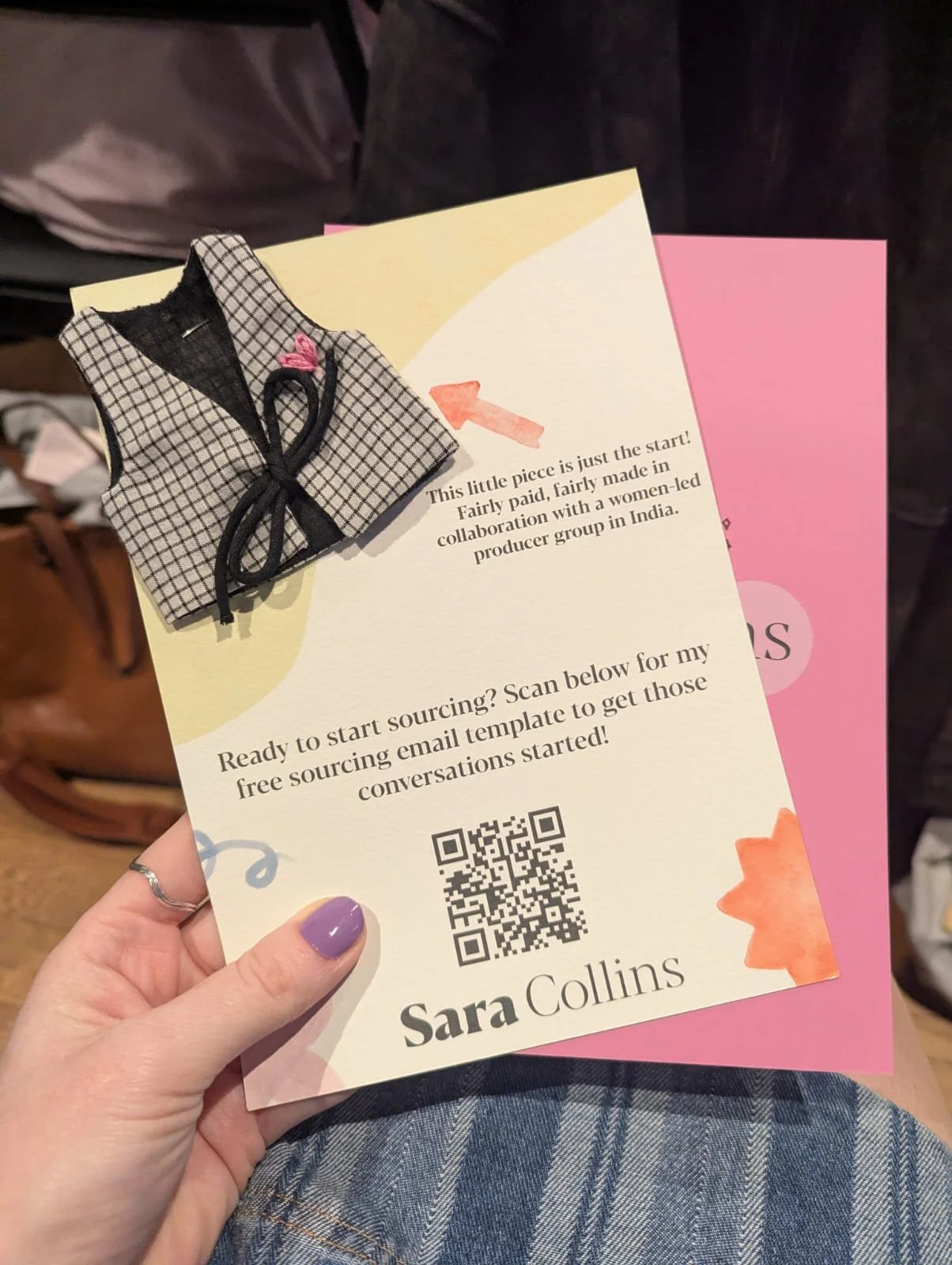
How to Find Ethical Clothing Manufacturers for Your Brand: A 2026 Guide by Sara Collins
This a guest blog post written by my friend Sara Collins who’s an incredible Ethical Sourcing Consultant. I’ve worked with her closely over the years and have even shared a number of clients - enjoy!
How do I find the right supplier for my brand?
How do I know if they are ethical?
These are the most common questions I’m asked as an ethical production consultant. Unfortunately, there is no easy answer for this, however, there is a strategic process. Below, I’ll share my own tips for finding a reliable supplier and how to navigate ethical sourcing practices without the overwhelm.

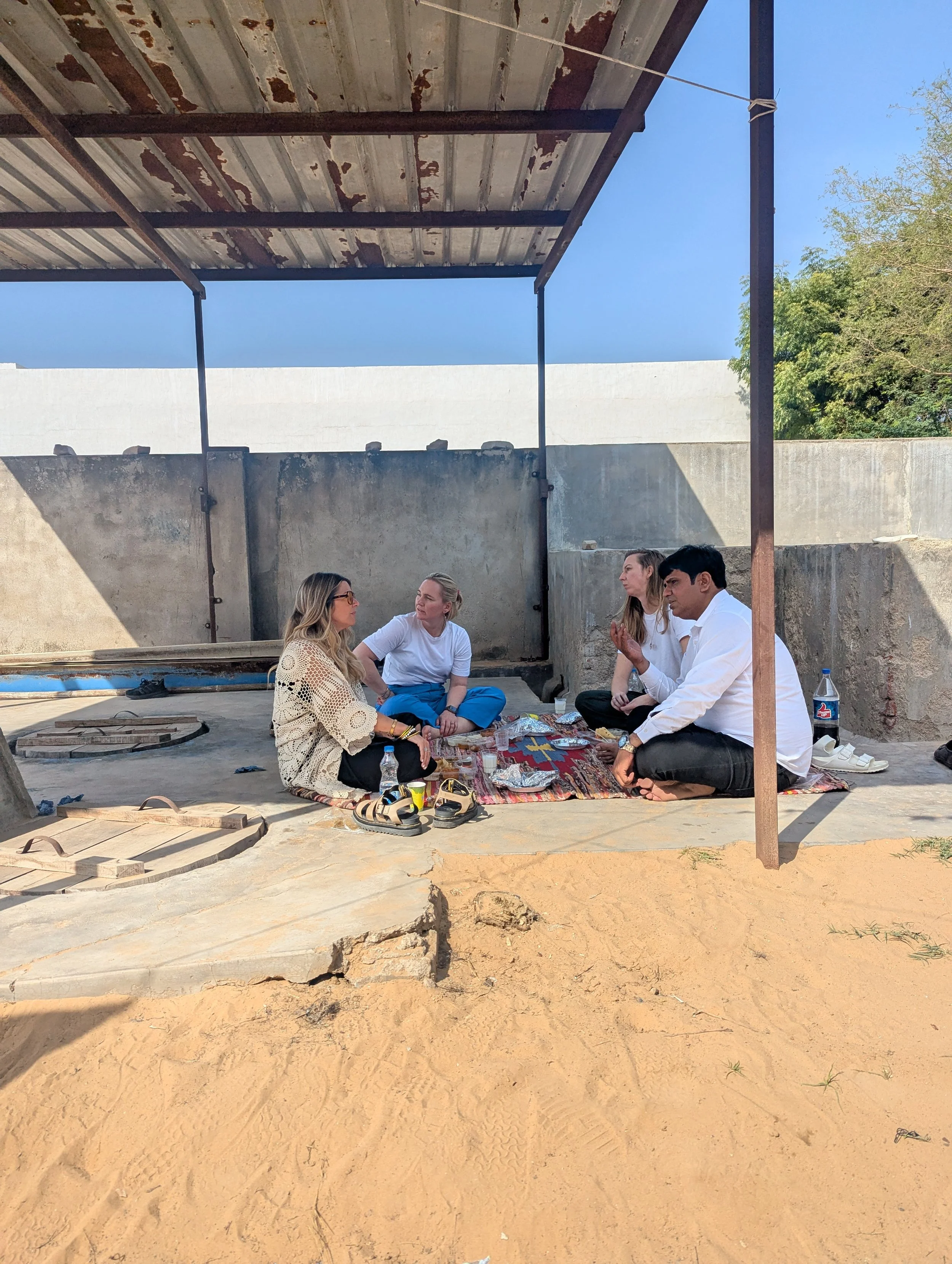
Sara Collins - Ethical Sourcing Trip
This is Sara on the far left with her clients & factory contacts in India
Clarity: Get Clear on Your Production Needs
You may have a clear ideal in your mind of what you want to create, but can you communicate it to a factory?
In sustainable fashion sourcing, clarity is your currency. Manufacturers have specific expertise and different business models. The clearer you are, the better the results and the faster you’ll find the right match.
Things to consider:
Fabric Types: Are you working with Wovens, Jersey, Stretch, Knitwear?
Business Model: Do you need CMT (Cut, Make, Trim) or FPP (Full Package Production)?
Production Scale: How many units per style do you want to invest in? Have you set a realistic financial budget?
Brand Values: What environmental or social standards are non-negotiable for your production partners?
Before you deep dive into emailing 100s of suppliers, create a clear document of your needs. I often use this to hold all of my sourcing information to allow me to compare suppliers clearly.
This could look like:
Fabrics: Organic cottons and linens (Wovens).
Skillset: Expertise in tailored construction.
Model: FPP preferred, open to CMT.
Scale: 50 units per style (200 units total for first order).
Doing this will start to give you a clear idea of what you’d like from your supplier
Foundations: Brand Values with Manufacturing Practices Aligned (the good stuff!)
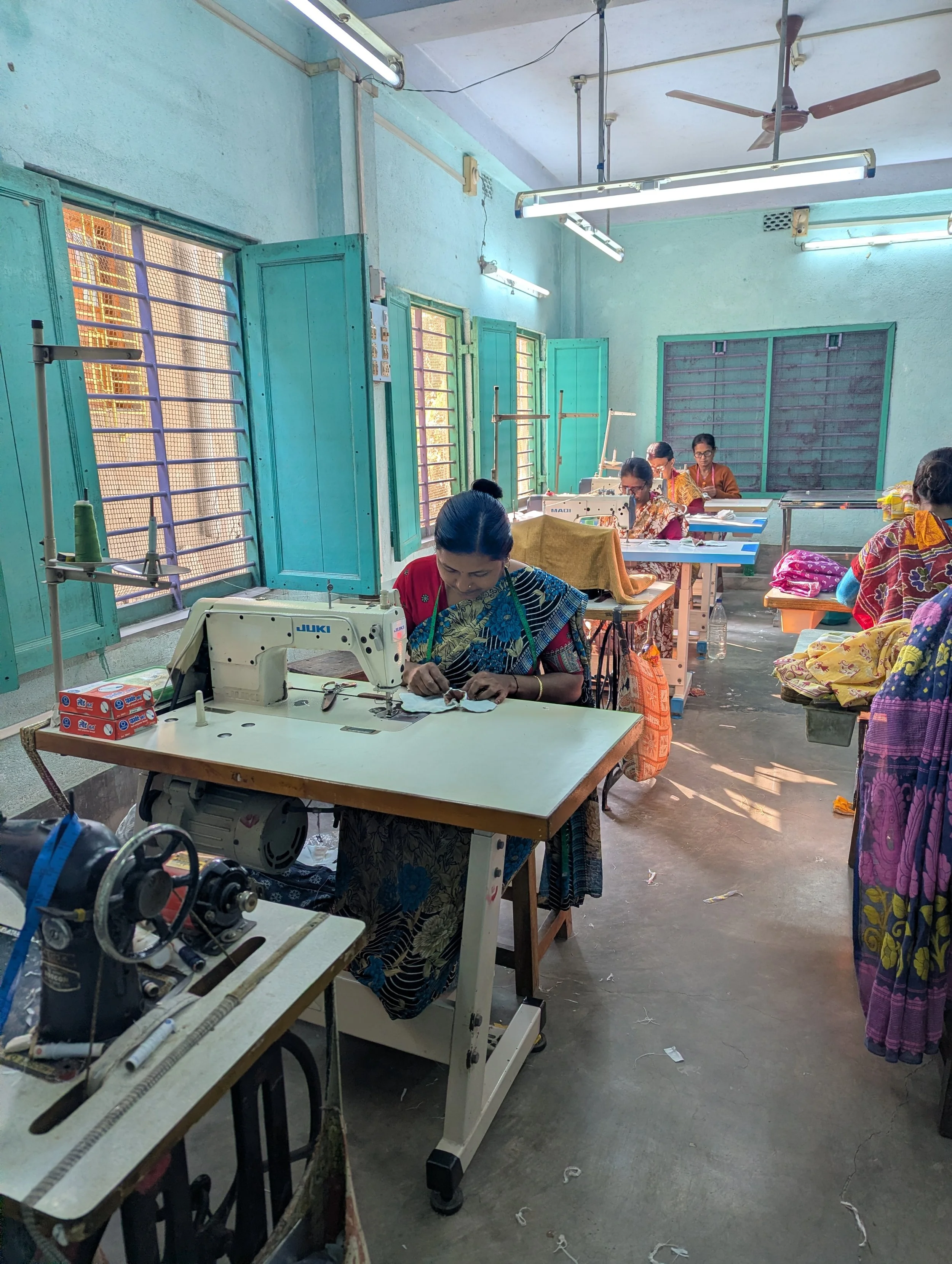
Finding a supplier who can do the list above can be relatively straightforward, but finding the right supplier for your business can require a bit more work. Issues happen in production, we want to build partnerships that allow us to problem solve together. I find that when we have shared values with our suppliers, we can really start to build a strong foundation.
Good relationship practices look like:
You both working towards the same goal, for example: Creating quality garments, fairly
Transparency in the supply chain
Being able and willing to problem solve together
Good communication
Our manufacturers are an extension of our team, so we want to treat them that way, invest time into the relationship.
Helpful exercise: Create a wish list of the values you hold as a brand and how these can be embodied by your production partners.
Brand Value
Manufacturer practice
Fairness and respect - you stand for this in internal teams and how you show up as a brand
In practice, this could look like:
Fair and safe working policies
Living wages and transparency
Women's empowerment - You might be a women owned brand and want your clothes to empower the women that wear them
In practice, this could look like:
Women in leadership teams
Garment workers protected against discrimination
Care for the planet - you want to reduce your environmental impact
In practice, this could look like:
Non-toxic chemicals
Water recycling units
Using deadstock or recycled materials
When you stand for something as a brand, it is much more authentic when it is carried out within your business decisions. Taking the time to reflect on this can really help you in the decision process when sourcing, it can also help guide those initial conversations.
Let’s go! Where to Find Ethical Suppliers in 2026
Trade shows can be a great place to start having face-to-face conversation.
Tip - go prepared, make notes of your conversations, collect contact details, have something to show them.
Search engines - You will find well known suppliers here, it requires patience to find your ideal match
Tip - Avoid the "Google hole" by being specific. Instead of "clothing factory," search for "Small batch organic cotton supplier, India."
Instagram/Social Media - Many modern factories are now on socials, making it a great place to start your search
Tip - please, please, please do your due diligence. If you connect with a supplier online, always check that they have a real online presence with social proof from real buyers. I have had too many people approach me after meeting suppliers through Instagram and having terrible experiences, from shocking quality, to taking money and then completely ghosting them.
Experienced support - You can work with people who have done it all before and understand the complexities involved.
Tip - You’ll need to budget for this additional outlay but working with someone who has the experience can save you a lot of stress, as well as £££ in costly mistakes.
Sourcing agencies - There are sourcing agents who have their own network of suppliers. You can work with them to manage the relationship for you.
Tip - Sometimes agencies can lead to a lack of transparency with pricing and supplier details. This lack of transparency can sometimes cause issues down the line. It’s important to understand the full cost of your garments and also how and where your garments are being made.
Getting out there: The Value of In-Person Factory Visits
I truly believe that spending time with your supplier takes the relationship to the next level.
Here’s what you can gain from meeting IRL:
A deeper human connection
An understanding of the physical set up, strengths, limitations and how things work across the full production process
You can meet the full team, not just your account manager
You build trust and knowledge - win win
My advice: Go prepared. Pre-agree on an itinerary covering what you both want to achieve during the visit. Trust me, time will fly while you are there.
Helpful Questions to Ask Regarding Ethical Practices
People are often worried about asking direct questions to suppliers, but it is normal practice. So here are some questions to help you get started.
How do you ensure you are paying fair living wages?
What is your policy on standard working hours and overtime?
Can you share recent audit reports or certifications (like SEDEX or Fair Trade)?
Ever been ghosted when emailing manufacturers?
If you’re ready to start connecting with some wonderful new suppliers, then I’ve put together an email template for you! This is a tried and tested formula that I use when I am taking on a new sourcing project, it’s designed to help you get responses and move onto the next step effectively.