
A Simple Guide to Choosing a Fulfillment Partner for Emerging Fashion Brands
OK you've built the brand & your drops are selling well but customers are messaging you asking where their order is.
For a lot of emerging fashion founders, logistics is the part of the business that sneaks up on you fastest, because one month you're packing orders at the kitchen table, and the next you're drowning in bubble wrap and missing customer emails!
A fulfilment partner is the way out of that.
What Does a Fulfilment Partner Actually Do?
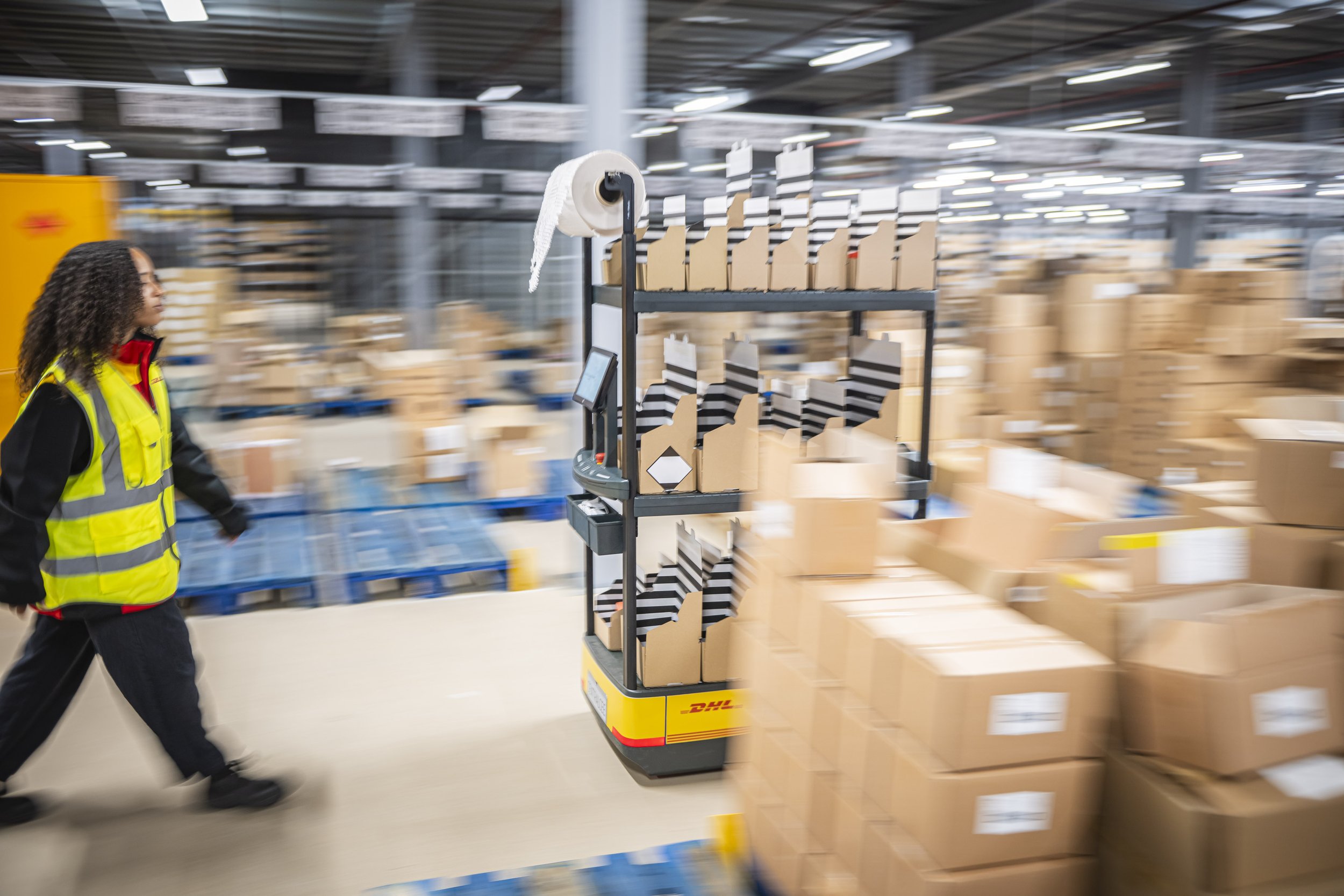
A fulfilment partner (also called a third-party logistics provider, or 3PL) takes the job of getting orders to customers off your hands. You send your stock to their warehouse & when a customer buys, they pick the item, pack it and ship it on your behalf. When something comes back, they handle the return for a small fee. It means that you can stay focused on the brand, the product and the most fun part … the next collection!
Not All Fulfilment Partners Are the Same
The first distinction is between traditional warehouses and e-commerce specialists. Traditional warehouses are built for bulk movements: pallets in, stored, pallets out. That works for wholesale but it doesn't really work for someone ordering a single jacket in a size small at 9pm on a Tuesday (& expecting it by Thursday) whereas an e-commerce specialist is! They’re set up for individual orders, fast dispatch & professional packaging.
The second distinction is more about geography. A local provider might be perfectly fine early on. But if you're thinking about selling internationally in the next year or two, it's worth asking whether your fulfilment partner can grow with you across borders, rather than forcing you to start the search all over again later.
Third, there's the question of digital tools. Some providers are purely physical: they store and ship. Others give you real-time stock visibility, order tracking, integration with your Shopify or WooCommerce store, and data that helps you understand what's selling where. When you're making buying decisions for a new season, that kind of insight is genuinely useful rather than just a nice to have.
Finally, find out whether your potential partner operates their own warehouses and teams, or subcontracts the work out. When something goes wrong (and occasionally, things do), you want one point of accountability, not a chain of blame.
Fashion Has Specific Demands
Most product categories are relatively simple to fulfil but fashion isn’t always so easy. You're managing multiple sizes and colourways of the same item plus seasonal drops where demand spikes sharply and then settles. Customers expect fast delivery, and in fashion that expectation is especially loaded: someone buying an outfit for an occasion doesn't have much patience for a vague tracking update.
You also have customers who return or exchange items regularly, and they expect the process to be easy. And a lot of your customers care about the unboxing experience: the tissue paper, the branded box, the small details that make an order feel considered rather than just dispatched.
Not every fulfilment partner can handle all of that well so it's worth being specific when you ask them about it.
How Do You Know It's Time to Get Help?
There are a few honest signs. Maybe you're running out of space or you're spending time (that you don't have) on packing and shipping. Some orders are going out on time and others aren't and you're starting to get complaints or negative reviews about delivery.
The most important sign is simpler than any of those: you can feel your customer experience slipping, and you know it's because logistics is taking up headspace that should be going elsewhere.
What to Actually Look for
When you're weighing up options, three things matter most.
Easy integration with your existing store, so you're not taking on a tech project just to get started.
Reliability, which usually means a partner with their own teams and sites rather than a network of subcontractors.
And the ability to scale with you, across volumes and geographies, without you having to move providers again in eighteen months.
DHL Fulfilment Network is built for exactly this stage of growth because they're experienced in fashion & have worked with major clothing brands. They understand the specific pressures the category brings, from seasonal volume swings to the care required in packaging and presentation. They operate with their own warehouses and teams across multiple countries, offer digital tools for real-time stock visibility and analytics, and integrate directly with the platforms most fashion brands already use.
The logistics side of your brand shouldn't be the thing that holds it back! And the right partner makes the next stage feel manageable rather than overwhelming.
If you’d like to see how modern fulfilment can power the next stage of your brand’s growth, join the DHL team in Coventryand explore one of our fully electric, 900,000 sq ft fulfilment sites — including live operations for one of the world’s leading beauty brands!
You’ll see automation in action, from cleaning robots to smart inventory systems, and learn how end‑to‑end fulfilment can help your brand scale sustainably.